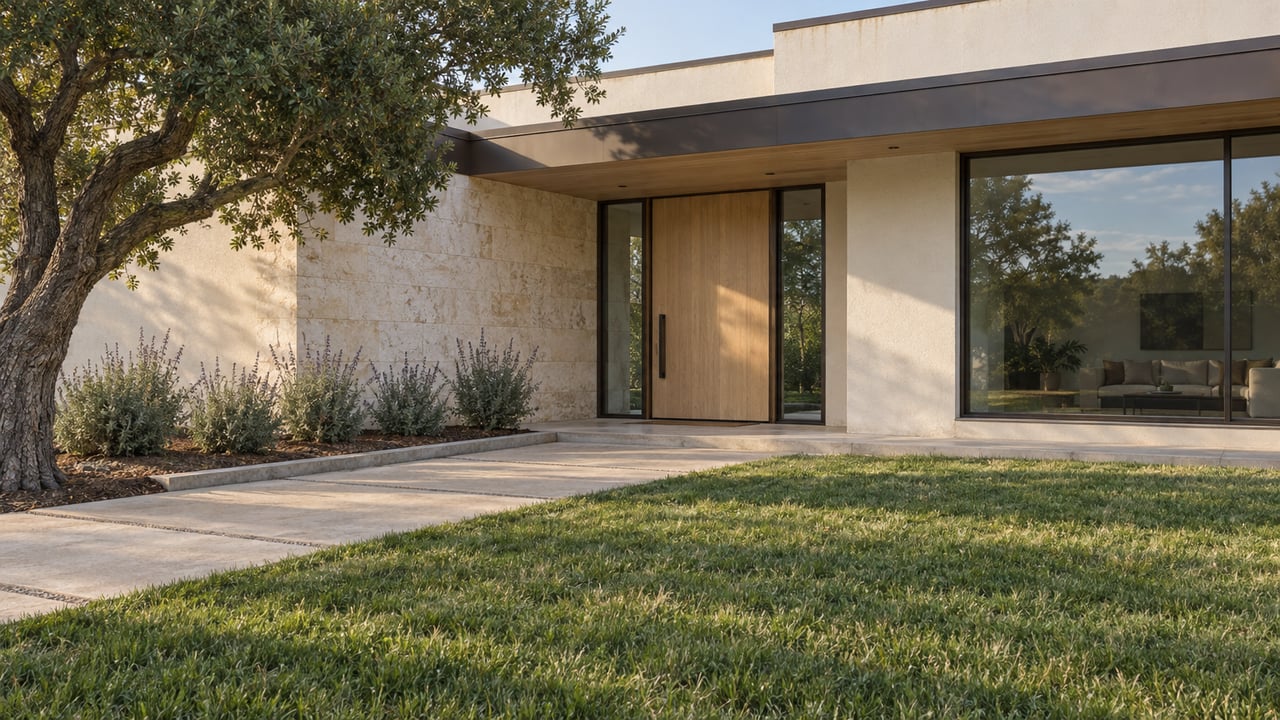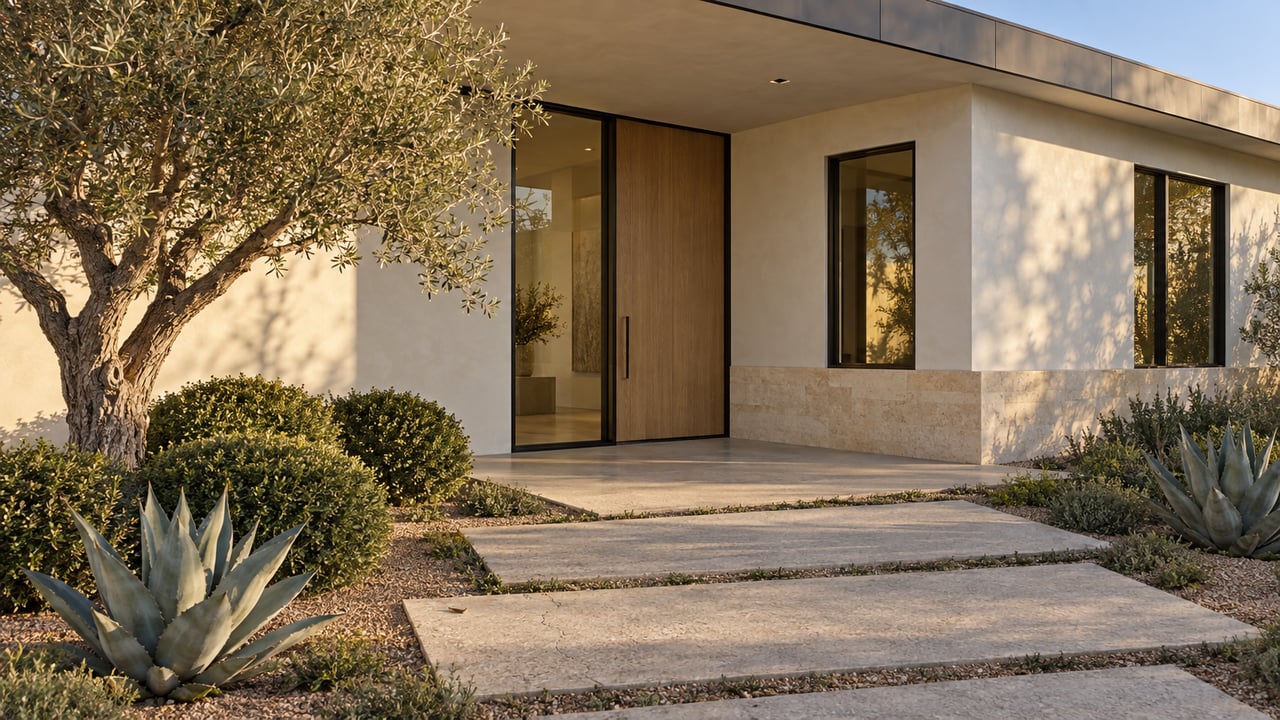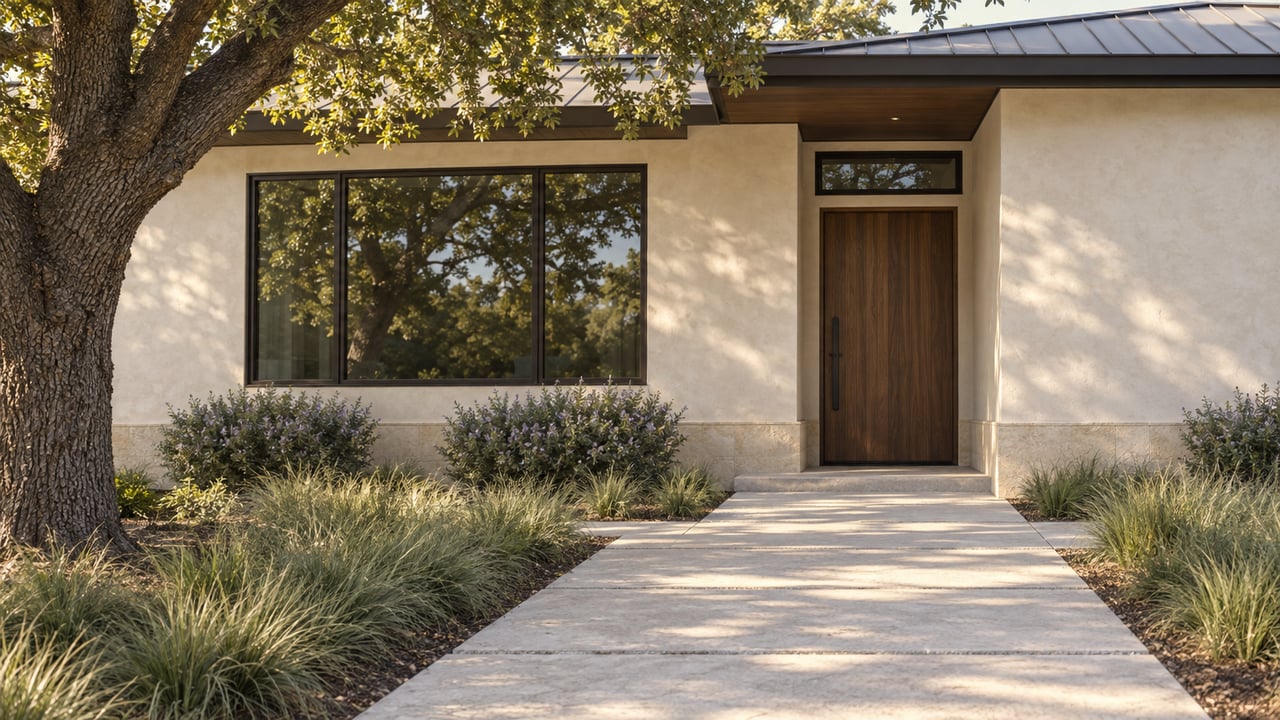
A buyer told me last month that La Verne felt like a $1 million town. She had spent a weekend on the portals, seen the citywide median, and set her budget around that number. By the second showing she understood the problem. A single-story pool home in a gated foothill cul-de-sac and a 1930s bungalow near the University of La Verne share a ZIP code and almost nothing else.
That gap is the story of this market. La Verne is not one market. It is at least six, and the number most buyers anchor to is the least reliable input they have.
The Friction That Shows Up at Underwriting
Before the pricing debate, the insurance conversation. Roughly 81% of La Verne properties carry some level of wildfire risk over the coming decades, and the 2024 Bridge Fire that pushed past 55,000 acres north of the city changed how carriers look at the foothill pockets. That is not a lifestyle observation. It is an underwriting input that affects which homes finance smoothly, which need surplus lines carriers, and which appraisers flag for a marketability adjustment.
In practice, two homes with the same list price and similar square footage can clear escrow very differently depending on where they sit relative to Foothill Boulevard. A buyer targeting Marshall Canyon Estates or Live Oak Canyon should assume a longer insurance timeline than one targeting Old Town, and should factor the annual premium into the offer, not treat it as a closing-week surprise.
Why the Citywide Median Is Noise, Not Signal
The July 2026 median list price in La Verne sits at roughly $1.02 million, or about $421 per square foot, with a median 77 days on market. In June it was $975,000. Closed sales tell a similar story with more noise. In the first quarter of 2026, only 46 transactions closed, a 20.7% drop from the year prior, at a median sale price of $887,000.
That transaction count is the point. When a market clears fewer than fifty homes in a quarter and the housing stock ranges from $315,000 condos to nearly $4 million foothill customs, a handful of high-end closings can swing the median by six figures. Zillow's home value index, which smooths those swings, has La Verne effectively flat year over year at around $940,000. Redfin's monthly snapshots have shown the average print bouncing above and below that line by wide margins.
The takeaway for a buyer is not that the data is wrong. It is that the citywide number is the wrong denominator. Price the pocket.
| Character | Where pricing tends to land | |
|---|---|---|
| North La Verne (broad) | 1970s–2000s single-family, midcentury, Mediterranean, Tuscan | Trailing 12-month median around $1.25M |
| Marshall Canyon Estates | Custom homes from 1995 onward, 2,800 to 6,700+ sq ft | Upper end of the North La Verne band |
| La Verne Heights | Cul-de-sac lots, large parcels, RV parking common | Upper end, wide spread |
| Live Oak Canyon and Webb Canyon | Hilltop estates, mature oak canopy | Custom, often the widest spread in the city |
| Emerald Ridge at Live Oak | Gated, single-story pool homes | Foothill entry point |
| Mountain Springs Estate | Gated, Mediterranean and Tuscan | Upper mid |
| Old Town and South La Verne | 1930s bungalows to postwar cottages near the University | Below citywide median |
Homes on the northern foothill edge have been quoted in the $800,000 to $2.2 million range by local guides, with active listings running from roughly $900,000 to well over $1.8 million. On the other end, county records show sold values in the same city dipping into the $340,000 to $430,000 range for condos and smaller footprints. That is the spread the median flattens.
The North-South Split
The clearest way to read La Verne is as two cities separated by Foothill Boulevard.
North of Foothill is foothill product. Larger lots, later construction, more custom builds, more gating, and the amenity pull of Marshall Canyon Regional Park, Marshall Canyon Golf Course, and Sierra La Verne Country Club. The 120-acre park with its trail system, camping, and equestrian access is a real amenity premium, not a marketing line. So is the oak canopy through Live Oak Canyon, which is why one lifelong local told Homes.com the canyon "is very unique for the area."
South of Foothill is legacy product. Smaller lots, older bones, walkability to the Old Town village and to the University of La Verne campus, and easier access to the LA County Fairplex. Bungalows built in the 1930s sit near postwar homes and later infill. Buyers here are usually paying for character, walk score, and land, not for architecture in the modern sense.
A buyer using a $1 million budget will find a very different home in each direction. North of Foothill, that number often puts you in an older or smaller home in an expensive pocket, sometimes with deferred maintenance. South of Foothill, the same number can buy a well-kept home on a generous lot, with the tradeoff of an older mechanical profile that an inspector will spend real time on.
When we run comparables for a client, we do not pull the citywide median. We pull sold prices within the specific development, adjust for lot orientation and view, and then check the last two quarters for volume. In a low-volume city, the median is a summary statistic, not a valuation.
The Old Town Rail Lever
The one directional change worth watching is the Metro Gold Line extension into the La Verne station near Old Town. When a rail connection lands within walking distance of a historic downtown, the low end of the market usually reprices first. The bungalows around the University of La Verne and Damien High have already begun to trade with a different buyer profile in mind, one that values a one-seat commute west more than a foothill lot.
For a buyer weighing Old Town against a comparable-priced home in Claremont Village or North Claremont, the rail proximity is the variable that has not fully shown up in comps yet. That is worth an appraiser's attention on the buy side, not just the sell side.
What This Actually Means at the Offer Table
- Do not budget from the citywide median. Budget from three to five recent closings inside the specific development or block.
- Ask for the insurance quote in writing before you finalize your offer on any home north of Foothill. A twelve-day quote turnaround is not unusual.
- On a foothill custom, expect the appraiser to spend real time on comparable adjustments for view, gating, and lot slope. Build a few extra days into your appraisal contingency.
- On an Old Town or South La Verne home, expect the appraiser to spend that time on age-related components. Roof, panel, plumbing supply lines, and foundation are the four to plan for.
- If a listing has been on the market longer than the 77-day median without a price adjustment, that is data. Ask why before you assume it is mispriced.
A Short FAQ
Is La Verne's market rising or falling in 2026? Effectively flat by the smoothed index, softer at the top of the stack. The Zillow ZHVI is up about 0.2% year over year, while price per square foot on active listings is down roughly 5% year over year on a rolling basis. Closed volume is the more telling number, and it is down meaningfully.
Why do the price-per-square-foot numbers vary so much between sources? Because the underlying transaction set is small. A single closed sale in Marshall Canyon Estates or Live Oak Canyon can pull the citywide average up. A cluster of Old Town closings can pull it down. Trust the pocket, not the citywide print.
How much does the foothill fire designation actually change my carrying cost? It depends on the carrier, the roof material, defensible space, and the specific address. The point is not the exact premium, it is that the number should be in your budget before you write the offer, not after inspections.
If you are comparing La Verne pockets against Claremont, Upland, or San Dimas and want a valuation-led read on what your budget actually buys in each, The Mowery Group works with buyers on that exact question every week. Schedule a free consultation and we will walk the comps with you, pocket by pocket, before you write anything.