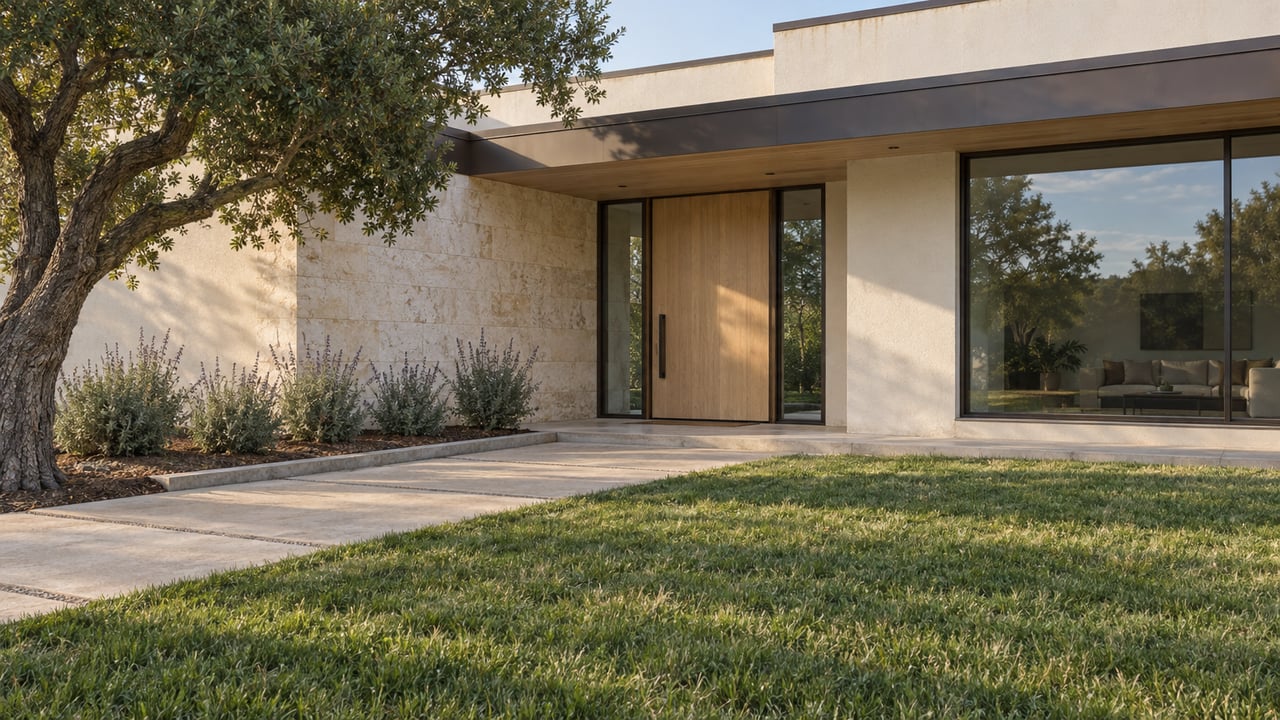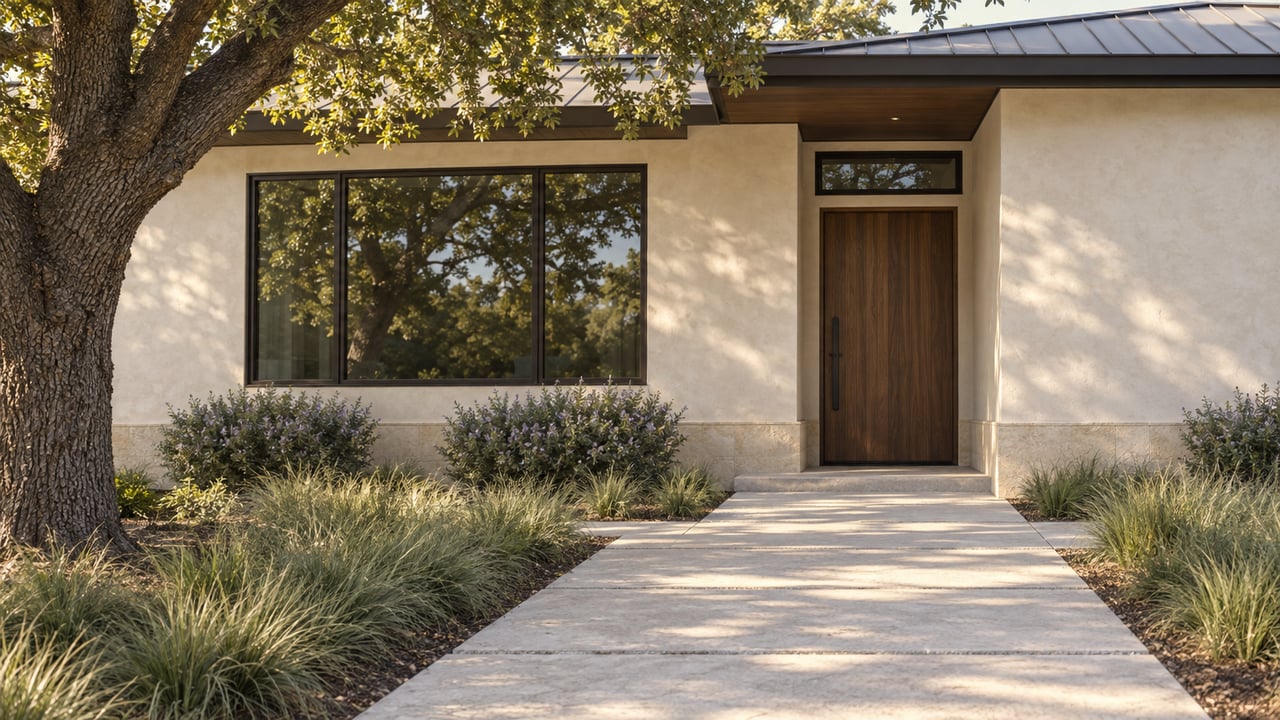
Picture two Rancho Cucamonga families, both settling a parent's estate this year. One home sits in the foothills near Deer Creek, mountain views out the back windows, the kind of property that has appreciated for three decades. The other sits south of Foothill Boulevard, a modest attached home bought sometime in the 1990s, unremarkable and paid off. Both parents died without a trust. Both families assumed probate meant the same thing: months of paperwork, a court date, an attorney taking a cut.
They were both right and both wrong. One family waited forty days after the death before filing a short petition; Clark Allison identifies the forty-day wait as required. The other is still waiting in a formal probate case, watching legal fees accumulate on an estate that is otherwise simple. The difference had nothing to do with how complicated the family situation was. It came down to which side of a single dollar figure their house happened to sit on.
The Law Changed. The Map Didn't.
Assembly Bill 2016 took effect April 1, 2025, and rewrote how California handles a decedent's home. Before that date, the simplified court process for transferring real property, the Petition to Determine Succession to Real Property under Probate Code sections 13150 through 13154, only applied to estates below a lower threshold. That threshold had been out of step with California real estate for years. AB 2016 raised it to $750,000, but only for a decedent's primary residence.
To use the streamlined petition, the property has to have been the decedent's main home, the gross fair market value has to fall at or under $750,000, and at least 40 days have to pass after death before anyone can file. The streamlined petition uses Form DE-310.
What AB 2016 did not do is adjust for where in California that $750,000 line actually falls. In much of the state, that threshold still comfortably covers a typical home. In Rancho Cucamonga, as of this year, it does not.
Why This City Is Sitting Right on the Line
Every current market read on Rancho Cucamonga this year lands close to or above that figure. Redfin's three-month window ending June 2026 put the median sale price at $786,000. Movoto's August 2026 snapshot listed a median list price of $849,000. A quarterly market report published in late July 2026 by a local Inland Empire brokerage team put the citywide median sale price at $785,000, with homes selling in a median of 49 days and multiple-offer activity still common on well-priced listings.
That proximity matters, because it means the citywide median Rancho Cucamonga home no longer automatically qualifies for the fast path AB 2016 created. Before the threshold changed, this conversation did not exist. Now it does, and it splits neatly along the geography locals already know.
Foothill communities, including Alta Loma and Etiwanda, along with named enclaves like Deer Creek, Haven View Estates, and Carriage Estates, consistently price above the citywide median according to a local market breakdown published earlier this summer. South Rancho Cucamonga and the city's condo stock, by contrast, remain the most attainable entry points in the market. That single fact, well understood by anyone who has sold real estate here for years, now carries legal weight it never carried before.
| Foothill single-family home | South-side attached home | |
|---|---|---|
| Typical value range | Well above $750,000 | Often at or below $750,000 |
The numbers in that table are illustrative, drawn from the pricing patterns described above rather than a specific transaction, but the pattern is real and it is the reason two families settling estates of similar complexity can end up on completely different calendars.
A probate referee's drive-by appraisal was built to value furniture, vehicles, and stock certificates fairly. It was not built to defend a six-figure legal threshold in a market moving as fast as this one.
What the Referee Actually Does, and Does Not Do
According to San Diego Elder Law and Estate Planning, a probate referee's residential real estate appraisal typically involves a drive-by inspection paired with a review of comparable sales, not a full interior walkthrough by a licensed appraiser. That is an efficient process for the vast majority of estates, but it is a blunt instrument when a family's entire timeline depends on landing on the correct side of a single number.
DMW PLC explains that any heir can oppose the petition by arguing the home's true value exceeds $750,000.
This is where a valuation from someone who is both a broker and a certified appraiser earns its keep. Knowing the true market position of a specific Rancho Cucamonga property, not just its zip code average, before a personal representative ever files a petition, is the difference between choosing the right strategy once and discovering the wrong one after months have already passed.
The Second Way an Estate Gets Knocked Off the Fast Path
California Trusts explains that AB 2016's simplified process applies only to the primary residence. If the estate includes any other real property, a rental unit, a vacant parcel, even a small piece of land bought decades ago as a side investment, the entire estate becomes ineligible for the streamlined petition, regardless of how modest that second parcel is. That detail matters more in a place like Rancho Cucamonga and the surrounding Inland Empire than it does in denser coastal markets, simply because long-tenure homeowners here were far more likely to pick up a second lot or a small rental property back when land was cheap. A family that assumes their parent's primary home alone determines eligibility can be surprised to learn that an unrelated half-acre bought in 1988 changes everything.
What Full Probate Actually Costs If You Miss the Line
California's statutory sliding scale, as detailed by Catalina Structured Funding, sets executor and attorney compensation at 4 percent of the first $100,000 of the estate's gross value, 3 percent of the next $100,000, 2 percent of the next $800,000, with lower percentages above that. Run that math on a typical Rancho Cucamonga foothill estate valued around $800,000 and the combined executor and attorney fees come to roughly $38,000.
Timelines vary depending on which source you check. A broader Southern California review by Lortd puts typical probate real estate closings at six to twelve months from filing to distribution. A guide focused specifically on San Bernardino County, ProbateCash, estimates twelve to eighteen months for a straightforward case, with contested matters or those involving real property disputes easily pushing past two years. According to the San Bernardino Superior Court, San Bernardino County probate matters, regardless of where in the county the decedent lived, are filed and heard at the Fontana and Victorville Districts, a detail worth knowing before a family assumes they can handle everything at a courthouse closer to home.
Where This Leaves a Rancho Cucamonga Family
If you are settling an estate that includes a Rancho Cucamonga home, the citywide median tells you almost nothing useful. What matters is where your specific property sits relative to $750,000, whether it was genuinely the decedent's primary residence, whether there is any other real property attached to the estate, and whether the valuation you are relying on can hold up if a sibling or other heir pushes back. Getting an accurate, defensible number before filing anything is the single highest-leverage step a personal representative can take this year.
If you are managing an inheritance in Rancho Cucamonga, Alta Loma, Etiwanda, or anywhere nearby, and you are not certain which side of that $750,000 line your family's home falls on, The Mowery Group can walk through the specific property with both a broker's market read and a certified appraiser's eye before you decide which path to take. Schedule a free consultation before you file a single form.
A Few Questions Worth Asking Early
Does the $750,000 threshold cover a rental property my parent also owned? No. The simplified petition applies only to the primary residence. A separate rental or investment parcel falls back under standard probate rules and can disqualify the entire estate from the fast path even if the home itself qualifies on its own.
What happens if my siblings disagree about the home's value? Any heir can formally oppose the petition on the grounds that the true value exceeds $750,000.
Is the process different in San Bernardino County than what I've read about for Los Angeles County? In San Bernardino County, probate cases are handled through the Fontana and Victorville Districts rather than a single central courthouse.
This article is general information, not legal, tax or financial advice. Consult a qualified professional about your situation.