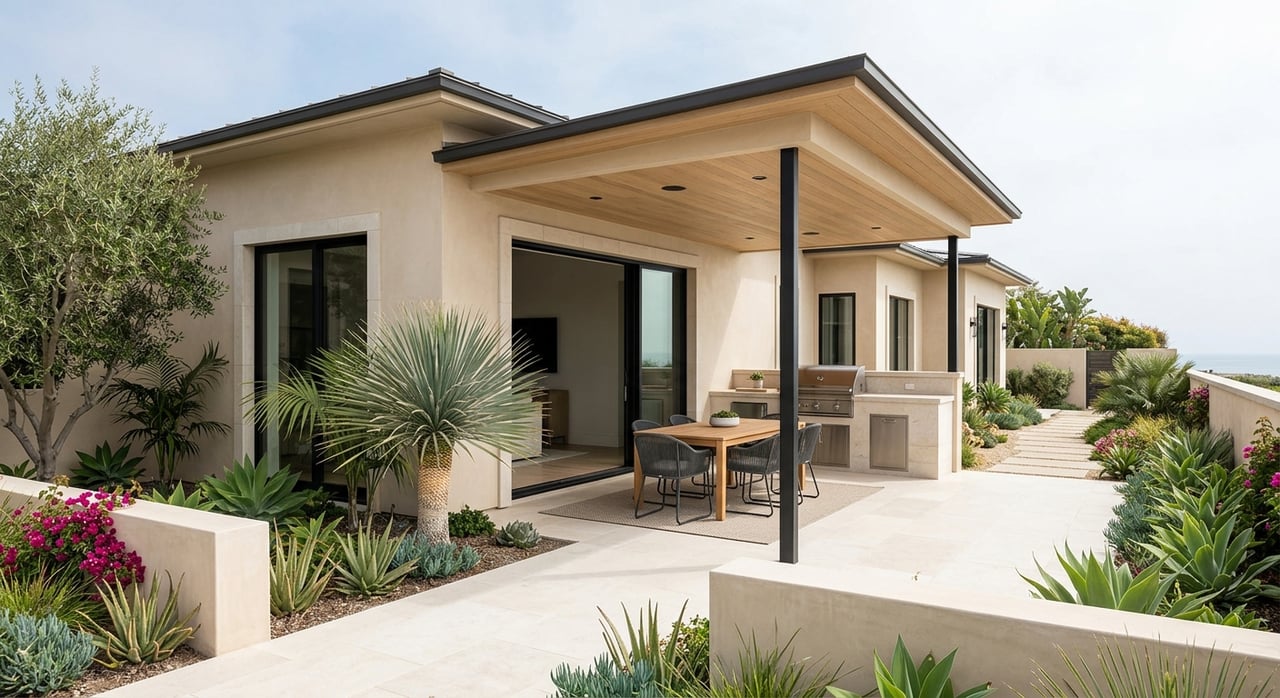
If you love the idea of waking up near the ocean, Huntington Beach can feel like an easy yes. But when you start looking at prices, views, location differences, and ownership costs, you quickly see that coastal living here is not one-size-fits-all. This guide will help you understand what drives lifestyle and value in Huntington Beach so you can make a more informed move. Let’s dive in.
Why Huntington Beach Stands Out
Huntington Beach has a strong identity that goes beyond being a coastal city in Orange County. The city’s general plan describes its coastline and scenic viewsheds as central to local quality of life, and the area’s tourism identity as Surf City USA reflects how deeply the beach shapes daily living.
That coastal setting gives Huntington Beach a year-round, outdoor-centered feel. Visit Huntington Beach notes that the city typically sees high temperatures from the mid-60s to about 80 degrees, with less than 12 inches of rain annually. For many buyers, that climate is a major part of the appeal.
Coastal Lifestyle in Daily Life
Beach access shapes the experience
For many residents, the draw starts with the shoreline itself. Huntington State Beach is known for surfing, swimming, sunbathing, fishing, and sunset views, and California State Parks notes that a paved beachside trail stretches 8.5 miles between Huntington and Bolsa Chica State Beaches.
That means your lifestyle may include morning walks, bike rides, or a quick stop by the water after work. It also means busy weekends can bring crowding and parking pressure, especially during peak seasons and events when lots may close after reaching capacity.
Dining and events add energy
The Huntington Beach lifestyle is not limited to the sand. Pacific City offers oceanfront shopping and views of the Pacific and the pier, while Surf City Nights brings a farmers market, live music, and local vendors to Main Street on Tuesdays.
The city also stays active through major annual events. Visit Huntington Beach highlights attractions like the US Open of Surfing and Pacific Airshow, which help keep the area lively well beyond summer.
Nature offers another side of coastal living
If you want open space without always being in the middle of the beach scene, Huntington Beach offers that too. Bolsa Chica Ecological Reserve spans about 1,400 acres, with five miles of trails and more than 200 bird species noted by Visit Huntington Beach.
Huntington Harbour offers a different lifestyle as well. With five man-made islands, more than 500 bayfront homes, and access to kayaking and boating, it gives buyers an alternative to the busier downtown and pier areas.
What Huntington Beach Costs Today
Huntington Beach is a high-value market, and current numbers show that clearly. Redfin reported a March 2026 median sale price of $1.36 million, with homes spending a median of 33 days on market and a median sale price per square foot of $798.
Realtor.com’s March 2026 snapshot showed 554 homes for sale, a median listing price of $1.40 million, a median of 42 days on market, a median price per square foot of $820, and a 100% sale-to-list ratio. In practical terms, that points to a market where buyers need to be selective and sellers still benefit from solid demand when pricing is handled well.
Why Prices Vary So Much by Area
Citywide numbers only tell part of the story. In Huntington Beach, the specific pocket you choose can change the value equation in a major way.
Recent Realtor.com neighborhood snapshots show Huntington Harbour at about a $2.15 million median listing price, Downtown Huntington Beach at about $1.99 million, and Southeast Huntington Beach around $850,000. That spread is a reminder that the city name alone does not define price.
Location means more than distance
Two homes can both be in Huntington Beach and offer very different experiences. One may put you close to the pier, restaurants, and events. Another may offer a quieter harbor setting or a more budget-conscious entry point farther from the shoreline.
Buyers often find that value depends on the combination of access, setting, and day-to-day convenience. Walkability, surrounding streetscape, and the type of coastal experience you want can matter nearly as much as the address itself.
What Actually Drives Coastal Home Value
A true view can command a premium
Being near the ocean is not the same as having a meaningful ocean view. Huntington Beach’s general plan identifies coastline and scenic viewsheds as defining assets, and the city regulates certain scenic corridors within the coastal zone to help preserve views.
That matters because buyers often pay more for a view that feels protected and lasting. A partial glimpse or general sense of proximity may not carry the same value as a direct, enduring view of the water or open space.
Condition still plays a major role
Coastal location does not erase the importance of upkeep. Research cited in the report found that poor maintenance can accelerate depreciation, while maintained homes tend to depreciate more slowly.
In real terms, that helps explain why two homes in similar locations can have very different price points. One home may reflect the premium of the location alone, while another reflects both the location and the cost savings of better maintenance.
Ownership costs include more than the mortgage
In Huntington Beach, the full cost of ownership can include more than purchase price and monthly payments. The city has a certified local coastal program, and development in the coastal zone can require a coastal development permit.
According to the California Coastal Commission information referenced in the research, permit conditions may include access easements or development restrictions designed to protect coastal resources, views, and public access. If you are thinking about future renovations or additions, those factors may affect your plans.
Flood and Coastal Considerations to Understand
Huntington Beach buyers should also understand local flood considerations before making a decision. The city’s flood preparedness brochure states that Huntington Beach has a history of flooding and that 75% of the city sits from 25 feet above to below sea level.
The brochure also notes hazards that can include runoff, coastal storms, high surf, high tides, tsunami, and channel flooding. These are not reasons to avoid the market, but they are important parts of evaluating long-term ownership, insurance considerations, and property-specific risk.
How to Balance Lifestyle and Value
If you are trying to decide whether Huntington Beach coastal living is worth it, it helps to look at the market through both a personal and financial lens. A beautiful location can absolutely support long-term satisfaction, but the best decision usually comes from matching your goals to the right submarket and property condition.
Here are a few smart questions to ask as you compare options:
- Do you want beach activity, harbor living, or access to open space?
- Are you paying for a true view, or just for general proximity?
- How much deferred maintenance might affect your budget after closing?
- Will coastal permits or flood considerations matter for your future plans?
- Does the home’s price make sense when compared with its exact location and condition?
These questions can help you move past the dream factor and into practical decision-making. In a market like Huntington Beach, that clarity matters.
Why Local Valuation Insight Matters
In a market where one neighborhood can differ from another by more than a million dollars in median listing price, pricing guidance needs to be specific. Huntington Beach rewards buyers and sellers who understand the difference between broad market averages and true property-level value.
That is where valuation-led advice becomes especially useful. A home’s setting, condition, view, and local coastal factors can all affect what it is really worth, and those details deserve careful analysis rather than guesswork.
For buyers, that can help you avoid overpaying for a label without getting the lifestyle you want. For sellers, it can help you position a home more accurately in a market where premium features need to be supported, not assumed.
If you are considering a move in Huntington Beach or trying to understand what a coastal property is really worth, The Mowery Group brings brokerage and appraisal insight together to help you evaluate the numbers with more clarity and confidence.
FAQs
What makes Huntington Beach coastal living unique?
- Huntington Beach combines 10 miles of beaches, a strong surf identity, oceanfront shopping and events, harbor living, and access to nature areas like Bolsa Chica Ecological Reserve, creating a lifestyle that feels active and outdoor-oriented year-round.
How expensive is the Huntington Beach housing market?
- March 2026 market snapshots in the research report show a median sale price of $1.36 million from Redfin and a median listing price of $1.40 million from Realtor.com, reflecting a high-value coastal market.
Why do Huntington Beach home prices vary so much?
- Prices vary based on submarket, proximity to the coast, harbor access, views, surrounding setting, and property condition. The research report shows notable differences between Huntington Harbour, Downtown Huntington Beach, and Southeast Huntington Beach.
Do ocean views increase Huntington Beach home value?
- In many cases, yes. The research report indicates that strong, lasting ocean or open-space views can carry a premium, while weaker or partial views may not have the same effect.
What should buyers know about flood risk in Huntington Beach?
- The city’s flood preparedness information says Huntington Beach has a history of flooding and identifies hazards such as coastal storms, high surf, high tides, tsunami, runoff, and channel flooding, so buyers should review property-specific risk carefully.
Do coastal rules affect Huntington Beach homeowners?
- Yes. The research report notes that development in the coastal zone can require a coastal development permit, and permit conditions may include restrictions or easements tied to protecting coastal resources and public access.